Dr Emily Hauser

Image © Faye Thomas Photography

Dr Emily Hauser is an award-winning ancient historian, author and broadcaster, and is Senior Lecturer in Classics and Ancient History at the University of Exeter. She read Classics at the University of Cambridge, where she took a double first with distinction and won the prestigious Chancellor’s Medal for Classical Proficiency, and received her PhD in Classics from Yale University in 2017; from 2017–2018 she was a Junior Fellow at the Society of Fellows at Harvard University.

Since coming to Exeter, she has published an academic monograph, How Women Became Poets: A Gender History of Greek Literature (Princeton 2023): this was selected as Choice Outstanding Academic Title of the Year, and shortlisted for the Seminary Co-Op’s Best Books of the Year, 2023. She is also co-editor, with Helena Taylor, of two volumes on women’s receptions of the classical world, Women Creating Classics and Women Re-Creating Classics (Bloomsbury, 2025).

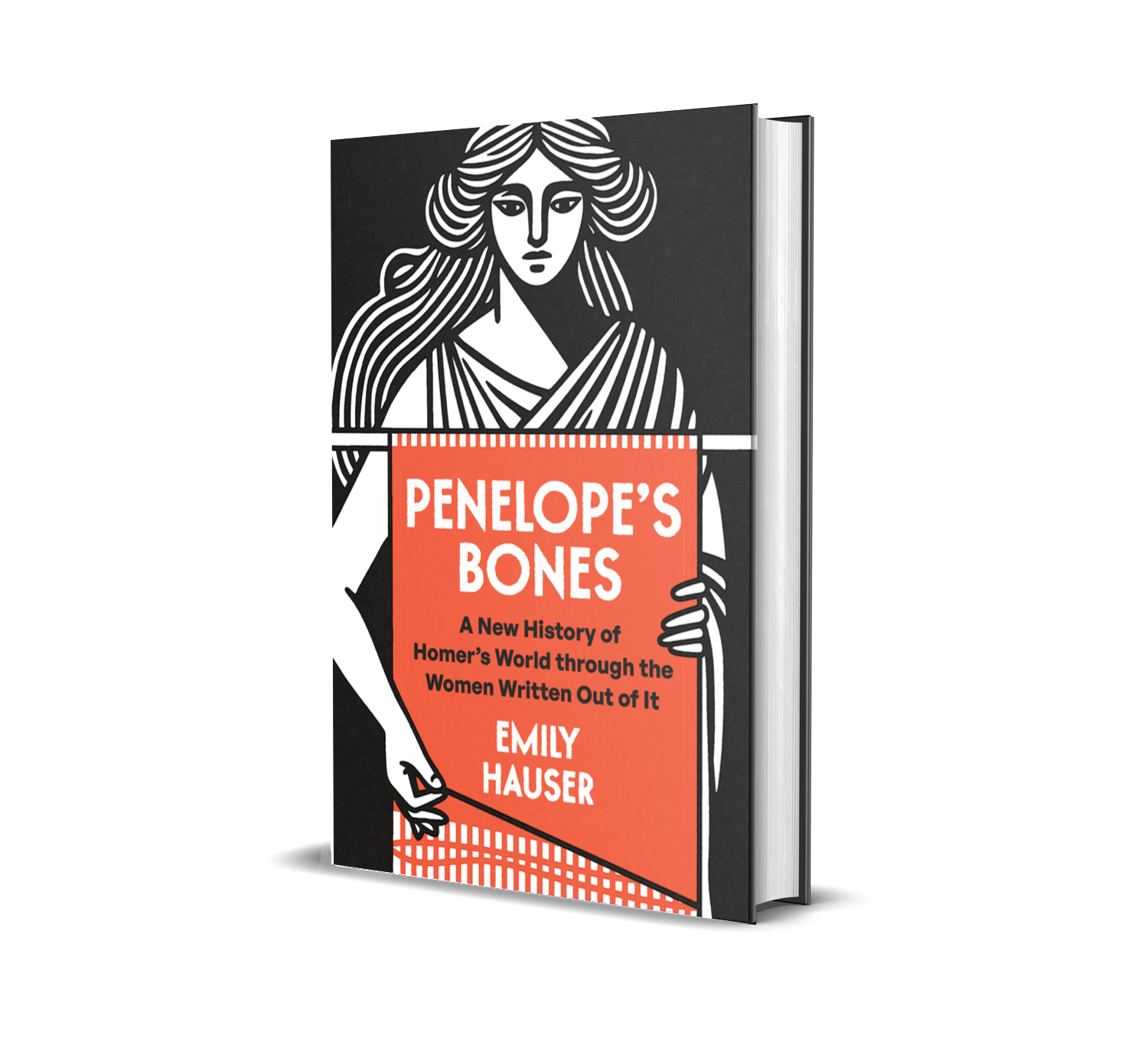
Emily is also the author of history for a public audience and fiction that reworks the women of Greek myth. Her debut non-fiction book, Mythica: A New History of Homer’s World, through the Women Written Out Of It (Penguin Random House 2025), was a Times bestseller and has garnered international critical acclaim: Amanda Foreman called it “one of the best non-fiction books to have been published in the past decade”. As a fiction writer, Emily wrote a trilogy of acclaimed novels reworking the women of Greek myth, published with Penguin Random House.

Emily has been featured on several BBC Radio shows including BBC Radio 4 Woman's Hour, Times Radio, The Guardian and the Independent; she appears on podcasts globally and speaks at major literary and history festivals across the UK, and will be featuring on several forthcoming documentaries. Emily’s books have been published and translated across the world, and listed among Waterstones’ Best New Releases of 2025. Whether writing, teaching, or speaking to global audiences, she brings ancient stories and women into the present with lyrical insight and a fierce commitment to justice.